


Muscle building is much more than just exercise, it is not as straightforward as we think. There is a complex relationship between our genetics, dedicated training, and the nutrition we consume. These all are the deciding factors in how well we build muscles.
Welcome to my blog on muscle building! I’m Dr. P. Kumar, MD in Preventive Medicine, ready to guide you through the essentials of muscle development on well health tips.
This blog will explore how genetics, training, and nutrition influence muscle growth, the importance of resistance training, and the role of proper diet and recovery.
Join me as we delve into effective strategies to enhance your physical health and muscle strength comprehensively.
Understanding Muscle Growth
Research has shown that muscle hypertrophy, the increase in muscle size, is largely driven by resistance training, which induces small-scale damage to muscle fibers. These fibers then repair and adapt, growing stronger and larger over time.
Genetics also significantly influence our potential for building muscle, affecting everything from muscle fiber distribution to hormonal reactions that facilitate muscle growth [2].
Muscle tissue consists mainly of two fiber types: Type I, which are slow-twitch fibers known for their endurance capabilities, and Type II, which are fast-twitch fibers designed for short bursts of power and are quicker to fatigue.
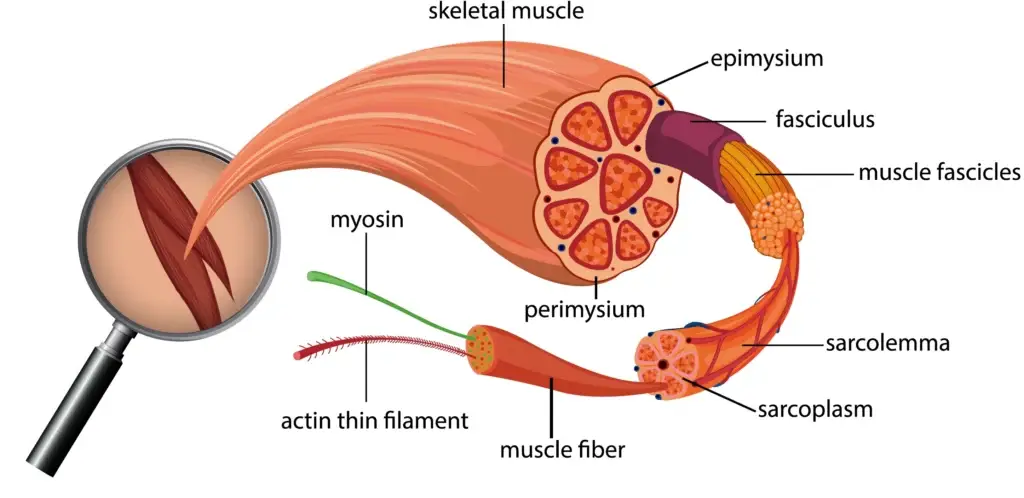
The balance between these fibers in an individual can determine their potential in various physical activities, and through specific training regimens, both fiber types can be enhanced to optimize muscle growth and performance.
Nutrition for Muscle Growth

Proper nutrition is as crucial as training when it comes to building muscle.
Research shows that protein, an essential building block of muscle tissue, is vital for muscle repair and growth following exercise .
The recommended dietary intake for those looking to increase muscle mass is generally higher than for those not engaging in regular strength training.
1. Protein: The Building Block of Muscle
Consuming adequate protein is non-negotiable for muscle hypertrophy. Studies recommend a protein intake of 1.6 to 2.2 grams per kilogram of body weight per day for optimal muscle gain.
Normal protein requirements are 0.8 grams per kg of body weight for adults.
This can be sourced from animal and plant-based proteins, including meat, dairy, legumes, and soy.
2. Carbohydrates and Fats: Energy Sources
Carbohydrates are also essential, providing the energy needed for intense workouts. Carbs help replenish glycogen stores, which fuel muscle activity and recovery.
Fats should not be neglected either, as they play a vital role in hormone production, including hormones like testosterone, which are crucial for muscle growth.
3. Hydration: Essential for Muscle Function

Keeping yourself hydrated is another critical component of effective muscle building. Water is essential for many bodily functions, including the health of muscle cells. Adequate fluid intake helps maintain optimal blood volume and nutrient transport to muscles, which is vital during workouts.
Use this simple hydration table for your reference.
| Age Group | Daily Adequate Intake |
|---|---|
| 1-3 years | 4 glasses, or 1 liter |
| 4-8 years | 5 glasses, or 1.25 liters |
| 9-13 years | 7-8 glasses, or 1.75-2 liters |
| 14-18 years | 8-11 glasses, or 2-2.75 liters |
| Men, 19 and older | 13 glasses, or 3.25 liters |
| Women, 19 and older | 9 glasses, or 2.25 liters |
| Pregnant women | 10 glasses, or 2.5 liters |
| Breastfeeding women | 13 glasses, or 3.25 liters |
During Exercise water intake guide:
| Timeframe | Hydration Hint |
|---|---|
| 2-3 hours before exercise | 17-20 ounces (500-600 ml) of water |
| 20-30 minutes before or during warm-up | 8 ounces (240 ml) of fluid |
| Every 10-20 minutes during exercise | 7-10 ounces (210-300 ml) of fluid |
| Within 30 minutes after exercising | 8 ounces (240 ml) of fluid |
| After exercise (for every pound of body weight lost) | 16-24 ounces (470-710 ml) per 0.45 kg body weight lost |
4. Supplements: Aid to Muscle Building
While supplements should not replace a well-balanced diet, certain supplements can complement muscle-building efforts. Creatine monohydrate, for instance, is well-supported by research for its benefits in increasing strength and muscle mass during resistance training [8].
Effective Training Principles

Effective training is essential for maximizing muscle growth. The cornerstone of effective muscle building is resistance training, which involves exercises that cause muscles to contract against external resistance.
This method has been scientifically proven to induce muscle hypertrophy by creating micro-tears in muscle fibers, which then repair and grow thicker and stronger.
1. Resistance Training: The Foundation of Muscle Building
The research underscores that resistance training should be a regular activity, with sessions spread throughout the week to allow muscles time to recover and grow.
The American College of Sports Medicine recommends at least two sessions per week for each major muscle group to optimize growth and strength.
2. Training Volume and Intensity: Striking the Right Balance
Finding the right balance between training volume (the total amount of weight lifted) and intensity (the level of effort compared to one’s maximum ability) is crucial.
Studies suggest that moderate to high volumes of high-intensity training are most beneficial for muscle growth, but the exact parameters can vary based on an individual’s fitness level and training goals.
3. Compound vs. Isolation Exercises: Maximizing Efficiency
Incorporating both compound and isolation exercises into a training regimen is recommended.
Compound exercises, like squats and bench presses, involve multiple muscle groups and joints, allowing for heavier weights and greater overall muscle stimulation.
Isolation exercises, such as bicep curls or leg extensions, target specific muscles and are useful for addressing weaknesses or imbalances [12].
4. Progressive Overload: The Key to Continued Growth
Progressive overload, gradually increasing the weight, frequency, or number of repetitions in your training routine, is crucial for continual improvement.
This principle ensures that muscles do not adapt to a fixed stress level and continue to grow in size and strength over time [13].
Recovery and Rest
Proper recovery and rest are as crucial as the workout itself for achieving muscle growth. Recovery allows the body to repair and strengthen itself between workouts.
Sleep is particularly vital as it is during deep sleep that the body releases growth hormones, which are essential for muscle repair and growth [14].
1. The Importance of Sleep in Muscle Recovery
Adequate sleep is fundamental for muscle growth. Research indicates that less than optimal sleep can significantly impair muscle recovery and thus, the growth process.
The general recommendation for adults is 7-9 hours per night, with athletes possibly benefiting from even more due to their increased physical demands [15].
2. Scheduling Rest Days: Essential for Optimal Muscle Growth
Incorporating rest days into a training schedule is critical. While the frequency of rest days can vary depending on training intensity and individual recovery rates, it is generally advised that beginners should start with more frequent rest days.
Studies have shown that taking sufficient rest helps prevent symptoms of overtraining and contributes to better performance and muscle gains.
3. Active Recovery: Enhancing Recovery with Gentle Movement
Active recovery, which involves performing low-intensity exercise during rest days, can also aid muscle repair and growth. Activities such as stretching, yoga, or light walking increase blood flow to the muscles, which helps reduce muscle soreness and improve flexibility without exerting undue stress on the muscles [17].
Common Mistakes in Muscle Building
Building muscle effectively requires more than just hard work and dedication; it also demands an informed approach. Here are some of the most common mistakes people make in their muscle-building routines and how to avoid them:
1. Overtraining: The Risk of Too Much Exercise
One of the most prevalent mistakes is overtraining. While it might seem logical that more training leads to more muscle, the body needs time to recover and grow stronger.
Overtraining can lead to fatigue, decreased performance, and increased risk of injury [18].
Signs of overtraining include persistent muscle soreness, feeling drained rather than energized after a workout, and a plateau or decrease in performance levels.
2. Neglecting Nutrition or Hydration
Failing to support your workouts with proper nutrition and hydration can severely hinder muscle growth and overall health. Many neglect the importance of balancing macronutrients and consuming enough calories to fuel their recovery and growth.
Inadequate hydration can also lead to decreased strength and endurance during training sessions.
3. Inconsistency: The Enemy of Progress
Another common error is inconsistency, both in workout routines and dietary habits. Building muscle is a long-term commitment, and sporadic efforts yield minimal results.
Consistency in training, nutrition, and rest is key to achieving sustained muscle growth.
4. Improper Technique: Compromising Efficiency and Safety
Lastly, improper exercise techniques are not only less effective but can also lead to injuries.
It’s crucial to learn the correct form for each exercise, ideally under the guidance of a fitness professional. This ensures that the targeted muscles are engaged properly and that the risk of injury is minimized.
Takeaway
Building muscle effectively involves much more than lifting weights. It requires a comprehensive approach that includes understanding the science of muscle growth, adhering to nutritional guidelines, implementing effective training principles, and ensuring adequate recovery and rest.
Throughout this article, we have explored these key aspects, providing evidence-based advice to help you on your muscle-building journey.
The importance of avoiding common mistakes cannot be overstated. Overtraining, neglecting nutrition, being inconsistent, and using improper techniques can all hinder your progress and potentially lead to injuries.
By understanding and addressing these areas, you can optimize your efforts and see substantial improvements in your muscle strength and size.
What Is The Next Step?
Now that you’re equipped with the knowledge needed to start building muscle more effectively, we encourage you to take the next step.
Consult with a fitness professional to tailor a training program that suits your individual needs and goals.
Remember, muscle building is a marathon, not a sprint. Set realistic goals, remain consistent, and be patient with your progress.
Start small, perhaps by adjusting your diet or incorporating new exercises into your routine gradually.
Track your progress and make adjustments as needed. Most importantly, stay committed to your plan, and you will see results.