
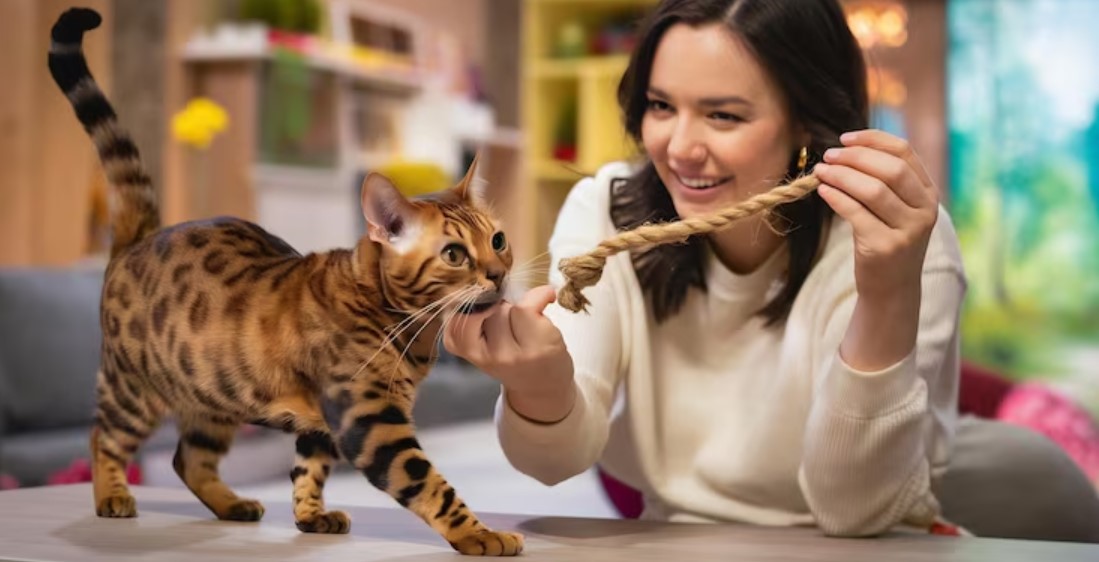

If your cat comes running the moment a treat bag opens, you’re not alone. Treats play an important role in many cats’ daily routines. They help strengthen the bond between pets and owners, support training, and add excitement to the day.
However, not all treats are created equal. Many products are packed with fillers, artificial ingredients, and unnecessary calories. That’s why more pet parents are switching to chewy cat treats made with healthier ingredients and better nutrition.
These softer, meat-focused treats offer more than just great taste. They can be easier to chew, gentler on sensitive mouths, and a smarter choice for long-term wellness. If you’re searching for healthy cat treats or wondering whether soft treats for cats are worth buying, this guide will help you make an informed decision.
What Are Chewy Cat Treats?
Chewy cat treats are soft-textured snacks designed to be easily bitten and enjoyed by cats of different ages and activity levels.
Unlike crunchy treats that require more force to break apart, chewy treats have a tender texture that many cats find appealing. They often contain real meat, fish, or poultry as primary ingredients and may include functional nutrients that support specific health needs.
Many cat owners notice that their pets spend more time enjoying chewy treats. The texture can create a more satisfying eating experience compared to treats that are swallowed quickly.
Why Cats Love Chewy Textures
Cats are natural carnivores. In the wild, their diet consists primarily of animal protein with varying textures. Soft, meat-based treats can feel more natural and appealing than highly processed alternatives.
The aroma and moisture content of chewy treats also tend to attract picky eaters. If your cat turns away from crunchy snacks, a softer option may quickly become a favorite.
Why Healthy Chewy Cat Treats Stand Out
The biggest advantage of modern chewy cat treats is that many combine flavor with nutrition.
Instead of serving empty calories, quality treats can contribute to your cat’s overall well-being.
Better Nutritional Value
Premium healthy treats often include:
-
Real chicken, turkey, salmon, or tuna
-
Essential amino acids
-
Omega fatty acids
-
Vitamins and minerals
-
Limited fillers
Cats require high levels of animal protein to maintain muscle mass and energy. Treats made with real protein sources help support those nutritional needs.
Easier Digestion
Many healthy cat treats are formulated with simple ingredient lists.
This can benefit cats with:
-
Sensitive stomachs
-
Food intolerances
-
Digestive concerns
Fewer artificial additives often means less stress on the digestive system.
Greater Satisfaction
Because chewy treats require more chewing, cats may feel more engaged during snack time. This can help reduce the urge to constantly seek additional treats throughout the day.
How Soft Treats for Cats Support Daily Wellness
Many pet owners focus only on flavor when selecting treats. However, texture can affect comfort, enjoyment, and even health.
Gentle on Sensitive Teeth
Dental issues become more common as cats age.
Older cats may experience:
-
Tooth loss
-
Gum sensitivity
-
Oral discomfort
Crunchy treats can sometimes be difficult for these cats to enjoy. That’s where soft treats for cats become especially valuable.
The softer texture allows cats to chew comfortably while still enjoying a rewarding snack.
Ideal for Senior Cats
Senior cats often have changing nutritional and physical needs.
Healthy chewy treats can support aging cats by:
-
Being easier to chew
-
Providing high-quality protein
-
Encouraging appetite
-
Offering functional nutrients
For older pets that eat less than they once did, nutrient-rich treats can be a helpful addition to a balanced feeding routine.
Helpful for Cats Recovering from Illness
Cats recovering from surgery or illness may temporarily lose interest in food.
Soft treats often have stronger aromas and textures that encourage eating. Veterinarians sometimes recommend highly palatable foods and treats during recovery periods to help stimulate appetite.
Can Support Weight Control
Weight management remains one of the most common health concerns among indoor cats.
According to the Association for Pet Obesity Prevention, excess weight continues to affect a large percentage of companion pets in North America.
Choosing healthier treat options with quality ingredients and controlled portions can help reduce unnecessary calorie intake.
Key Ingredients to Look for in Healthy Cat Treats
Reading the ingredient label is one of the smartest things a cat owner can do.
Here are the ingredients worth prioritizing.
1. Real Animal Protein
The first ingredient should ideally be:
-
Chicken
-
Turkey
-
Salmon
-
Tuna
-
Duck
Cats thrive on animal-based protein. Treats that lead with protein sources generally provide better nutritional value.
2. Natural Ingredients
Look for recognizable ingredients rather than long lists of artificial additives.
Good examples include:
-
Chicken broth
-
Fish oil
-
Pumpkin
-
Sweet potato
-
Cranberries
3. Functional Nutrients
Many modern treats include added benefits.
Some examples are:
|
Nutrient |
Potential Benefit |
|
Omega-3 Fatty Acids |
Skin and coat support |
|
Taurine |
Heart and eye health |
|
Probiotics |
Digestive support |
|
Glucosamine |
Joint health |
4. Limited Artificial Additives
Try to avoid treats containing excessive amounts of:
-
Artificial colors
-
Artificial flavors
-
Chemical preservatives
-
Large amounts of corn syrup
A shorter ingredient list often indicates a more straightforward and nutritious product.
Choosing the Right Chewy Treat Based on Your Cat’s Needs
Not every cat has the same requirements.
For Kittens
Growing kittens need protein-rich treats that support development.
Look for:
-
Soft texture
-
Small bite-sized pieces
-
High-quality animal protein
For Adult Cats
Healthy adult cats generally benefit from treats that balance flavor and nutrition.
Focus on:
-
Protein-rich recipes
-
Moderate calorie content
-
Natural ingredients
For Senior Cats
Older cats often appreciate softer textures.
Choose treats with:
-
Joint-support ingredients
-
Easy-to-chew consistency
-
Added taurine and omega fatty acids
For Sensitive Stomachs
Cats with digestive concerns may do better with:
-
Limited ingredient recipes
-
Grain-free options when appropriate
-
Simple protein sources
If your cat experiences ongoing digestive issues, consult your veterinarian before changing foods or treats.
Common Mistakes Cat Owners Make When Buying Treats
Even caring pet parents sometimes make purchasing decisions based solely on packaging.
Overfeeding Treats
Treats should generally make up no more than 10% of a cat’s daily calorie intake.
Too many treats can contribute to:
-
Weight gain
-
Nutritional imbalance
-
Reduced appetite for regular meals
Ignoring the Ingredient List
The front of a package often highlights attractive marketing claims.
Always check the actual ingredients before buying.
Choosing Flavor Over Nutrition
Would you rather give your cat a snack that tastes good for a moment or one that supports long-term health?
The best products achieve both goals.
Best Ways to Use Chewy Cat Treats
Treats can do much more than satisfy hunger.
Reward Positive Behavior
Chewy treats work well for:
-
Carrier training
-
Nail trimming sessions
-
Learning new routines
Strengthen Your Bond
Sharing treat time can become a daily bonding ritual.
Many cats quickly associate treat sessions with positive interaction and trust.
Hide Medication
Some soft treats can be molded around pills.
This makes medication time easier for both cats and owners.
Create Enrichment Activities
Try placing treats inside:
-
Puzzle toys
-
Treat-dispensing balls
-
Snuffle mats
These activities encourage mental stimulation and help prevent boredom.
Conclusion
When it comes to rewarding your feline companion, quality matters. The best chewy cat treats do more than satisfy cravings. They provide better nutrition, greater comfort, and a more enjoyable snacking experience for cats of all ages.
Whether you’re shopping for a playful kitten, an active adult cat, or a senior pet with sensitive teeth, choosing healthy cat treats made with real ingredients can make a meaningful difference. High-quality soft treats for cats offer a combination of taste, convenience, and wellness benefits that many traditional treats simply can’t match.
The next time you’re choosing treats, flip the package over and read the ingredient list. Pick a protein-rich, nutritious option that supports your cat’s health while delivering the flavor they love. Your cat will thank you with every happy purr and eager bite.
Frequently Asked Questions
Are chewy cat treats healthier than crunchy treats?
Not necessarily. Health depends on ingredients and nutritional quality. However, chewy treats are often easier for kittens, seniors, and cats with dental sensitivity.
How many chewy cat treats can I give my cat per day?
Follow the feeding guidelines on the package and keep treats below 10% of daily calories unless advised otherwise by your veterinarian.
Are soft treats for cats good for senior pets?
Yes. Many senior cats prefer softer textures because they are easier to chew and gentler on aging teeth and gums.
Can healthy cat treats replace regular meals?
No. Treats should supplement a complete and balanced diet, not replace it.
What ingredients should I avoid in cat treats?
Limit products with excessive artificial colors, preservatives, added sugars, and low-quality fillers.